


Web Tools & Refinements
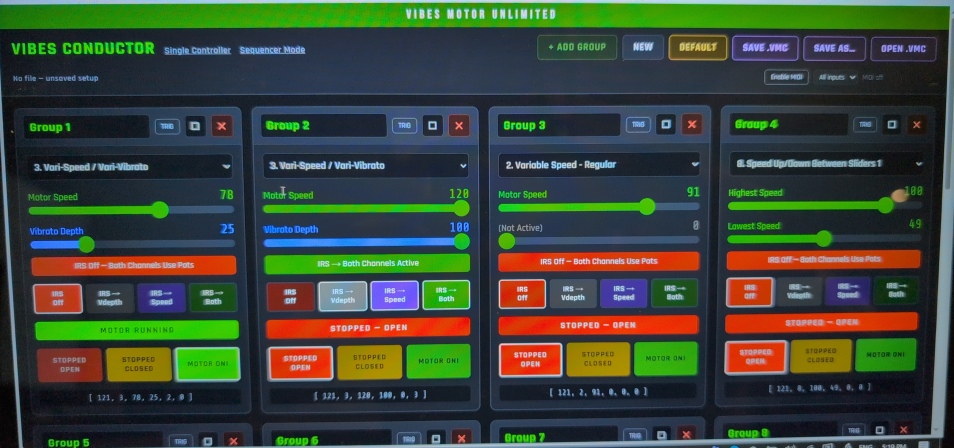
The last six weeks have been incredibly busy. With the Master unit essentially complete, the next job was finishing the full suite of web tools — pages that replicate everything the Master unit does, and then some, but running in a browser over the internet rather than on the device's own touchscreen.
Building and testing these pages properly turned out to be genuinely valuable — not just for shipping the web tools themselves, but because it exposed a handful of slightly undesirable behaviours in how groups were being handled across the whole system. That was actually a good thing. Solving those problems led directly to real refinements: more flexibility in how groups work, cleaner logic, and a system that behaves more predictably no matter which device is driving it.

Small adjustments were needed to the controller firmware, a few additions to the phone app, and some minor updates to the Master unit's own code — all in service of keeping every device on the system speaking exactly the same language, whether it's a physical controller, the touchscreen Master unit, the phone app, or a browser tab.
Exhaustive testing exposed a few real weaknesses — and in fixing them, inspired upgrades that ended up proving the whole system genuinely ready for release.
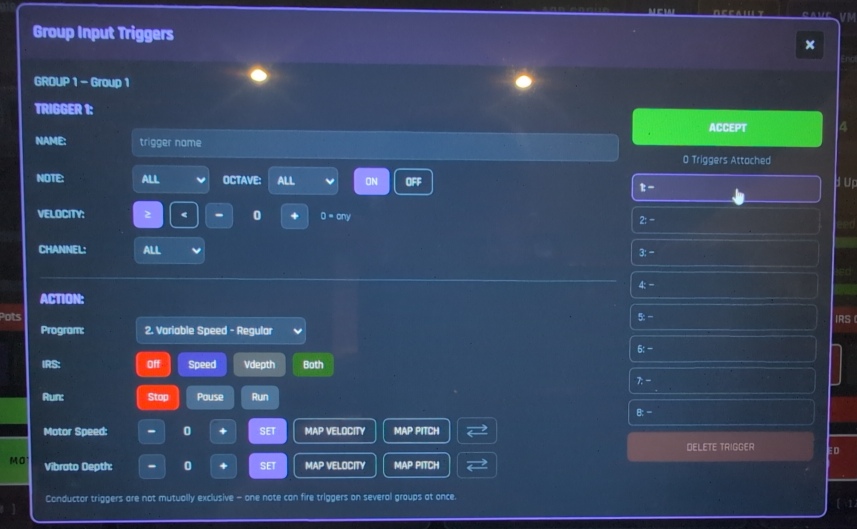
MIDI triggers in particular got a proper going-over. The web tool interface made it much easier to see and refine exactly how note ranges, velocity thresholds, and channel filters combine to fire a trigger — and that clarity fed straight back into improvements on the Master unit and controller side too.

With the software side proven solid, attention turned to something just as important: documentation. Many, many hours went into typing up building guides, user guides, and reference material for the actual DIY products. This meant retracing every building step from scratch, re-photographing each device, and — along the way — spotting a few more small improvements worth making before locking everything down into proper step-by-step guides, complete with photographs and clear instructions.
The first release of the building guide products, and the website going fully live for sales, should now be only around two weeks away.